A Brazilian manufacturer specializing in automotive exhaust systems approached Dumai Tube while exploring alternative sources of aluminized steel tubing for its production operations.
Company: Dumai Tube (Shanghai) Co., Ltd.
Market: Brazil
Industry: Automotive Exhaust Systems and Industrial Manufacturing
Product: Aluminized Steel Welded Tubes
Initial Customer Requirement: DX53D+AS80
Recommended Material: DX54D+AS120
Project Focus: Material Optimization, Import Compliance, Manufacturing Efficiency and Long-Term Supply Development
1. Project Background — A Brazilian Manufacturer Looking for a Competitive Tube Supplier
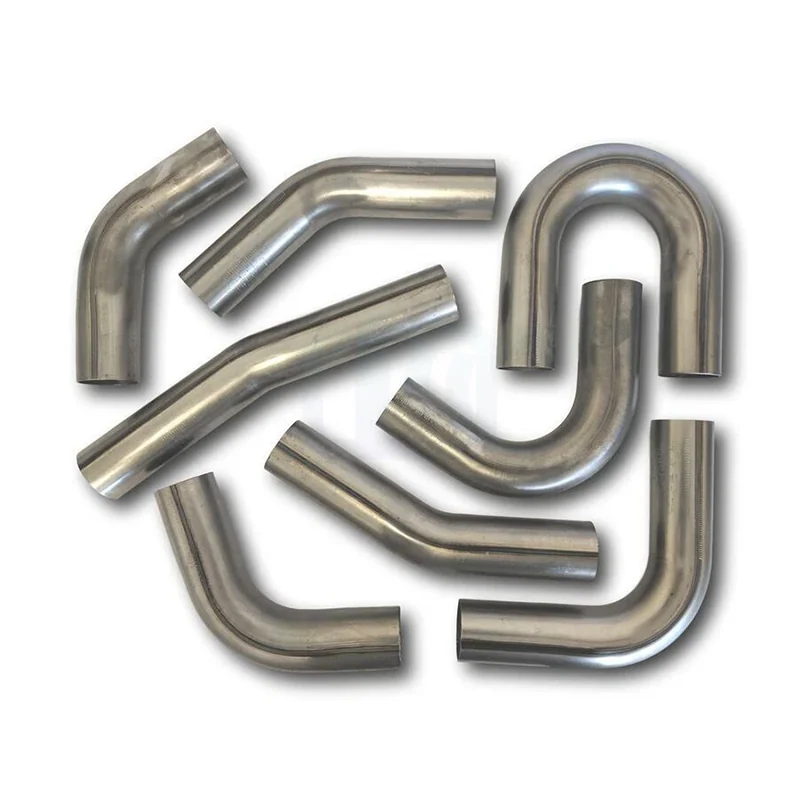
A Brazilian manufacturer specializing in automotive exhaust systems approached Dumai Tube while exploring alternative sources of aluminized steel tubing for its production operations.
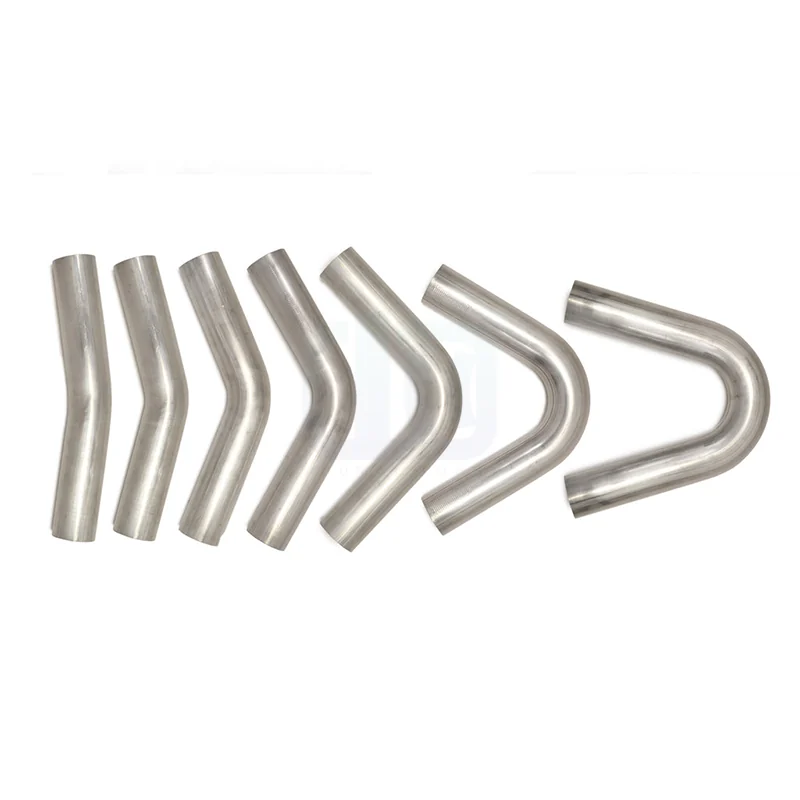
The manufacturer’s products included exhaust pipes, mufflers and fabricated components for passenger vehicles, commercial vehicles and aftermarket applications. Like many manufacturers in the automotive supply chain, the company relied on consistent material availability to maintain its production schedule. Tubes would undergo several manufacturing stages after delivery, including cutting, bending, welding and final assembly.
The customer’s initial request was relatively straightforward: a quotation for aluminized steel tubes using DX53D+AS80 material.
From a conventional supplier’s perspective, the process could have ended there. The supplier would calculate the requested tube dimensions, quote the price, and wait for the purchase order. However, Dumai Tube’s proposed approach was different.
Rather than treating the inquiry as a simple price comparison, Dumai wanted to understand whether the original material specification represented the most suitable long-term choice for the customer’s application and market.
The discussion therefore focused on three questions:
- Was AS80 the coating specification best suited to the customer’s intended exhaust applications?
- Would a higher coating specification offer a better technical basis for the customer’s manufacturing requirements?
- How could the customer develop a reliable international supply arrangement while understanding the applicable Brazilian import regulations?
These questions became the foundation of the proposed cooperation.
2. Looking Beyond the Quotation — Understanding the Brazilian Market
Dumai Tube identified Brazil as an important market for the supply of aluminized steel tubes, particularly for manufacturers involved in exhaust systems, commercial vehicles and industrial heating applications.
Brazil has an established automotive manufacturing and component-supply industry. However, the availability of particular tube materials, coating specifications and customized dimensions can vary between suppliers.
For manufacturers seeking specialized aluminized welded tubes, imported material may provide an additional sourcing option when existing suppliers do not offer the required combination of grade, coating, size, processing and commercial conditions.
This creates opportunities for cooperation between Chinese tube manufacturers and Brazilian industrial customers.
Dumai’s interest was not simply to offer a lower initial purchase price.
The company wanted to understand how an imported tube could meet the customer’s production requirements while offering a practical supply arrangement over multiple orders.
An important part of this process was understanding the distinction between stainless steel, aluminized carbon steel and their respective import classifications.
Dumai’s commercial team therefore considered the Brazilian trade-remedy environment as part of its wider market assessment.
3. Anti-Dumping Research — Understanding the Difference Between Materials
Brazil maintains anti-dumping measures on certain imported steel products, including specified welded austenitic stainless-steel tubes originating in China. For the covered SS304 and SS316 tube products, these measures can significantly increase the final landed cost.
For a Brazilian manufacturer purchasing material internationally, this creates a commercial challenge. The cheapest initial factory quotation does not necessarily result in the lowest import cost.
However, aluminized carbon-steel tubes and austenitic stainless-steel tubes are fundamentally different products. A welded tube manufactured from DX53D or DX54D aluminium–silicon-coated carbon steel is not equivalent to a welded SS304 stainless-steel tube.
The materials have different chemical compositions, production characteristics, corrosion behaviour and intended applications. Dumai therefore approached the project with an emphasis on accurate product identification and transparent technical documentation. This approach would help the Brazilian customer’s importing team assess the appropriate customs classification and the trade measures relevant to the actual material being purchased.
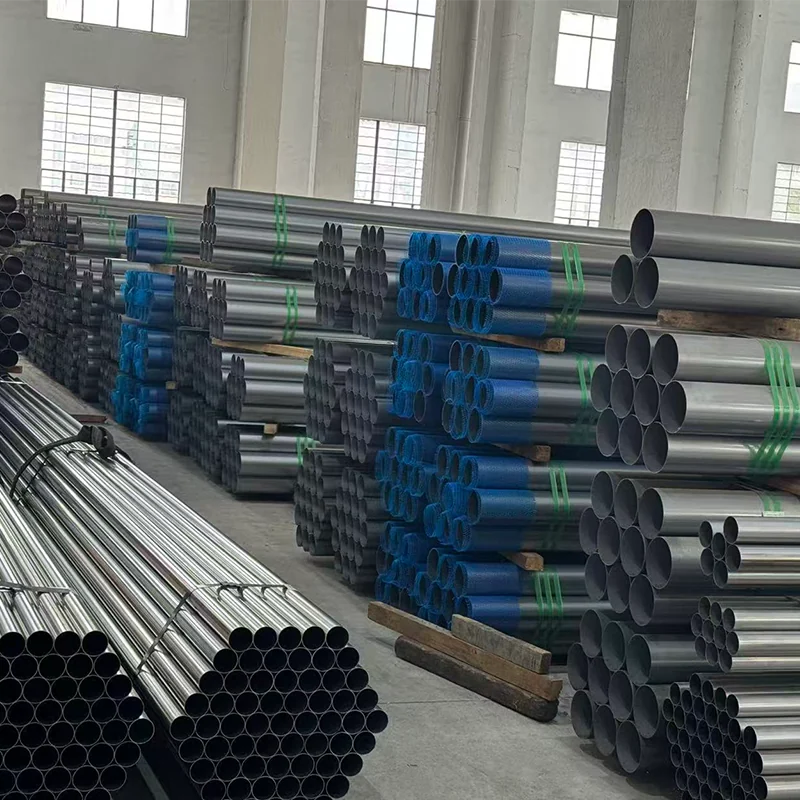
Importantly, Dumai did not treat changes to coating mass as a method of avoiding anti-dumping duties. Instead, the company’s proposed value was to combine suitable material selection with a clearer understanding of the customer’s total import costs.
The result was a more commercially informed sourcing discussion rather than a quotation focused solely on the factory price.
4. Reconsidering the Original AS80 Requirement
After reviewing the customer’s intended applications, Dumai proposed reconsidering the original AS80 coating specification. The initial material was DX53D+AS80, a formable steel grade with an aluminium–silicon coating.
Although AS80 may be suitable for certain applications, the proposed Brazilian supply program was focused on tubes with a minimum AS120 coating specification. Dumai therefore recommended evaluating DX54D+AS120 instead. The recommendation involved two separate technical considerations.
First: the coating specification.
AS80 and AS120 represent different coating-mass designations under the relevant aluminium–silicon-coated steel specifications.
AS120 provides a higher specified coating mass than AS80. This can be relevant to applications where coating coverage, oxidation resistance and long-term surface protection are important.
However, higher coating mass alone does not automatically establish a particular service life. Performance also depends on operating temperature, exhaust-gas chemistry, condensation, welding, forming operations and exposure conditions.
Second: the forming grade.
DX54D is a deeper-drawing grade than DX53D.
This can make DX54D an appropriate candidate for components requiring more demanding forming operations, subject to validation of the actual tube manufacturing and bending process.
For the Brazilian manufacturer, whose production involved bending, cutting and welding, the potential advantages of the proposed material justified technical evaluation.
Rather than assuming the new specification was automatically superior in every situation, Dumai proposed comparing it against the customer’s actual manufacturing requirements.
This distinction was important.
The objective was not to convince the customer to purchase a more expensive material without justification. It was to determine whether a different specification could provide greater value throughout the finished product’s manufacturing process.
5. Developing a More Suitable Supply Solution
With DX54D+AS120 identified as a potential alternative, the next stage involved defining how the tubes should be manufactured and delivered. A standard tube supplier might offer only available stock dimensions. Dumai’s proposed solution was to consider the customer’s manufacturing operations from the beginning. The technical evaluation focused on outside diameter, wall thickness, tube length, weld quality, surface condition, end preparation and subsequent processing.
Dimensional and manufacturing requirements
For exhaust manufacturers, small differences in tube dimensions can influence bending and assembly operations.
The customer’s equipment may require consistent diameters to achieve repeatable bending results. Variations in wall thickness can also affect deformation behaviour.
Dumai therefore proposed clearly defining tolerances and inspection requirements before production.
Cutting and material utilization
Standard six-metre tubes are not necessarily the most efficient supply format for every manufacturer. Depending on the lengths required for individual components, standard tube lengths can result in additional cutting, handling and offcuts.
Dumai offered to evaluate customized lengths so the manufacturer could compare standard-length supply against cut-to-size alternatives. Where technically and commercially appropriate, this could reduce processing work at the customer’s facility.
Welding and further processing
The welded seam is an important characteristic of tubing intended for subsequent bending and assembly. The proposed cooperation included discussion of welding methods, weld consistency and the customer’s bending requirements.
Sample tubes could then be evaluated using the manufacturer’s normal equipment. This would allow both companies to understand whether the proposed material and tube construction performed satisfactorily before committing to repeat production.
Material identification and documentation
Dumai also emphasized the importance of material documentation. For international supply, the customer needs to know exactly what material has been purchased.
Relevant documentation may include the material grade, coating designation, heat or coil identification, dimensions and applicable inspection results. This information supports both quality traceability and the customer’s import documentation process.
6. From Tube Purchasing to Manufacturing Efficiency
The most important opportunity in this project was the possibility of improving the customer’s overall manufacturing process. A tube’s value should not be measured only by its price per kilogram.
The actual cost to the manufacturer can also depend on material waste, preparation time, forming performance, inspection requirements and production interruptions. Dumai’s proposed cooperation therefore considered the full process from material receipt to finished exhaust assembly. For example, customized cut lengths might reduce the number of cutting operations carried out at the customer’s factory.
Consistent dimensions could reduce adjustment requirements during bending. Well-defined surface and end conditions could reduce unnecessary preparation before welding. Improved material documentation could simplify incoming quality inspections and provide better traceability. Each improvement would need to be assessed through actual production trials.
Together, however, they demonstrate a different way of approaching industrial tube supply.
Instead of asking only how much a tube costs, Dumai encouraged the customer to consider how efficiently that tube could be used.
7. Building a Long-Term Supply Relationship
International sourcing relationships become more valuable when both parties understand each other’s production requirements. Dumai’s proposed approach was therefore designed to extend beyond a single trial shipment.
Once the customer had evaluated the proposed material and confirmed the final specification, the two companies could develop a more structured purchasing arrangement. This could involve production planning based on forecast demand, agreed material specifications, repeatable inspection requirements and shipment scheduling. Because steel coil costs can fluctuate, transparent quotation procedures would also be important.
Rather than promising permanently fixed prices, Dumai could explain changes in raw-material costs and provide quotations based on current material conditions and processing requirements. This would allow the customer to make informed purchasing decisions while maintaining a consistent technical specification.
The commercial objective was to create a supply relationship in which engineering requirements, material purchasing and logistics planning were coordinated instead of handled as separate transactions.
8. Supporting the Development of Brazil’s Aluminized Tube Supply Market
Brazil’s automotive and industrial sectors provide opportunities for specialized aluminized steel tubing. Even where local tube manufacturers operate, certain combinations of forming grade, coating mass, dimensions, production quantity and additional processing may require specialized sourcing.
Dumai sees an opportunity to support manufacturers looking to expand their access to these materials. For the proposed Brazilian supply program, the company’s principal aluminized products would include DX53D+AS120 and DX54D+AS120, with AS150 available for projects that require a higher coating specification.
The same technical supply approach could also be relevant to manufacturers of industrial heating systems, furnaces, ovens and selected heat-exchanger components, provided the material is qualified for the actual operating conditions. Dumai’s role would be to provide manufacturing resources and technical coordination to support the customer’s own product development.
The company does not aim to replace the customer’s engineering decisions. Instead, it seeks to provide alternative materials, manufacturing options and practical information to support those decisions.
9. The Value of the Proposed Cooperation
The project’s intended value can be summarized in five areas.
- Better material selection: Moving from the initial DX53D+AS80 inquiry toward evaluating DX54D+AS120, based on the proposed coating and forming requirements.
- Greater import-cost awareness: Considering applicable Brazilian trade remedies and product classifications as part of international sourcing decisions.
- Improved production compatibility: Developing tube dimensions and supply conditions around the customer’s existing equipment and manufacturing process.
- Potential reduction in processing waste: Evaluating customized lengths and preparation requirements to reduce unnecessary cutting and handling.
- Long-term supply development: Establishing consistent material specifications, quality documentation and repeat-purchase planning.
These are intended benefits of the proposed solution. Any measured reductions in scrap, operating cost or production time would require confirmation through customer production data.
10. What This Project Represents for Dumai Tube
For Dumai Tube, industrial supply is not simply about producing the dimensions written on a purchase order. A customer’s original specification is the starting point of a technical discussion, not necessarily the end of it.
Sometimes the most valuable contribution a supplier can make is to identify an alternative material, clarify an engineering requirement or help the customer better understand the commercial implications of international sourcing.
In this Brazilian project scenario, the customer’s initial request was for AS80 aluminized tubing.
Dumai’s proposed contribution was to look beyond that request, consider AS120 and its forming requirements, and approach the project as a broader manufacturing and supply challenge.
This is the philosophy Dumai Tube wants to bring to its international partnerships.
We do not simply ask customers what tubes they want to purchase. We want to understand what they are trying to manufacture, how they manufacture it, and how we can support that process more effectively.
For Dumai Tube, the objective is not only to deliver tubes. It is to become a dependable part of the customer’s manufacturing supply chain.
Back to Insights